Every October, thousands of people across the UK take on a challenge that could change their lives: 28 days without smoking.
Stoptober is back for 2026, encouraging smokers to put down their cigarettes, take control of their habits and begin their journey towards a smoke-free future.
But with millions of people still smoking across the UK, why is quitting so important? What happens to your body when you stop? And can alternatives such as nicotine vaping help?
In this guide, we explore the latest UK smoking statistics, the science behind quitting and practical ways to make Stoptober 2026 a success.
Stoptober is an annual public health campaign supported by NHS Better Health. It encourages people who smoke to quit for at least 28 days during October.
The campaign is built around one important finding:
People who remain smoke-free for 28 days are five times more likely to quit for good, according to the NHS.
Rather than focusing on the daunting idea of never smoking again, Stoptober breaks the process into a more manageable goal.
Four weeks might not sound like a long time, but they can help people develop new routines, manage nicotine cravings and build confidence in their ability to stay smoke-free.
And you don’t have to begin on 1 October to take part. Every smoke-free day counts.
Smoking rates have fallen dramatically across the UK over the past 15 years, but tobacco remains a significant public health concern.
According to the Office for National Statistics (ONS), figures published on 6 October 2026 reveal:
The figures highlight a significant change in smoking habits.
In 2011, approximately one in five UK adults smoked. By 2025, that figure had fallen to roughly one in ten.
While this progress is encouraging, almost five million adults still smoke cigarettes, demonstrating why campaigns such as Stoptober remain important.
One of the most encouraging things about quitting smoking is how quickly the health benefits begin.
Your body starts recovering within minutes of your final cigarette.
According to NHS Better Health, here’s what can happen when you stop smoking:
| Time Without Smoking | Health Benefits |
|---|---|
| 20 minutes | Your pulse rate begins returning to normal. |
| 8 hours | Carbon monoxide levels in your blood fall significantly, and oxygen levels begin recovering. |
| 48 hours | Carbon monoxide levels fall to those of a non-smoker, while taste and smell begin improving. |
| 72 hours | Breathing may become easier as the bronchial tubes begin to relax. |
| 2–12 weeks | Blood circulation improves, helping oxygen reach your heart and muscles. |
| 1 year | Your risk of a heart attack is around half that of someone who continues smoking. |
These benefits continue to build over time.
Quitting smoking can reduce the risk of heart disease, stroke, lung cancer and other smoking-related illnesses.
It can also improve everyday wellbeing, from breathing more comfortably during exercise to recovering your sense of taste and smell.
Smoking involves both physical nicotine dependence and deeply established habits.
Nicotine affects the brain’s reward system, creating temporary feelings of satisfaction that can reinforce repeated use.
When someone stops smoking, nicotine withdrawal can cause symptoms such as:
For many smokers, cigarettes are also associated with daily routines.
A cigarette with a morning coffee, during a work break or after a meal can become an automatic habit.
This is why quitting successfully often involves addressing both nicotine dependence and the behaviours associated with smoking.
Understanding your triggers and preparing alternatives can make the process easier.
For adult smokers who have struggled to stop using other methods, nicotine vaping is one option worth understanding.
Unlike cigarettes, vapes heat an e-liquid rather than burning tobacco.
This means users are not exposed to the same levels of many harmful chemicals produced by tobacco combustion.
The NHS recognises nicotine vaping as an effective smoking cessation tool and advises that switching completely from cigarettes to vaping substantially reduces exposure to harmful toxins.
Evidence also suggests that nicotine e-cigarettes can help more people stop smoking than traditional nicotine replacement therapy alone.
However, there are important considerations.
Vaping is less harmful than smoking, but it is not risk-free.
Nicotine is addictive, and the long-term health effects of vaping are still being studied.
For smokers who choose vaping as an alternative, the greatest health benefit comes from stopping cigarette smoking completely, rather than continuing to smoke and vape together.
Vaping is not recommended for children, young people or people who have never smoked.
One challenge adult smokers may face when moving away from cigarettes is understanding nicotine strength.
E-liquids are available in different nicotine concentrations, usually measured in milligrams per millilitre (mg/ml).
The appropriate strength depends on factors such as how frequently someone smokes, their level of nicotine dependence and the type of device being used.
Choosing too little nicotine may leave cravings unmanaged, while choosing more than needed can lead to unpleasant effects.
Nicotine salts are one formulation commonly used in lower-powered refillable pod systems.
They can provide a smoother inhalation experience than some traditional freebase nicotine formulations at comparable concentrations.
For adults using vaping to move away from smoking, it’s important to choose a suitable nicotine level rather than automatically selecting the highest or lowest available strength.
The NHS recommends seeking guidance from a specialist vape shop or local Stop Smoking Service when choosing a device and nicotine strength.
Quitting smoking can be challenging, but preparation and support can make a meaningful difference.
Pick a date and commit to it.
Remove cigarettes, ashtrays and lighters from your immediate surroundings and let friends or family know about your goal.
Having a clear starting point helps create accountability.
Think about when you’re most likely to reach for a cigarette.
Is it during your morning coffee? After eating? While driving? During stressful situations?
Once you recognise these patterns, you can begin replacing them with different behaviours.
You don’t have to quit smoking alone.
NHS Stop Smoking Services provide access to advice, behavioural support and information about treatments that can help manage nicotine withdrawal.
Support from family, friends and healthcare professionals can also help you stay motivated.
Celebrate milestones, whether that’s your first 24 hours, first week or the full 28-day Stoptober challenge.
Keeping track of the money saved from not buying cigarettes can provide another source of motivation.
For example, someone spending £12 per day on cigarettes could save approximately £336 over 28 days by stopping completely.
Quitting smoking isn’t always a straightforward process.
Some people stop successfully on their first attempt, while others need several attempts before quitting permanently.
If you smoke a cigarette after your quit date, it doesn’t mean your progress has been wasted.
Understand what triggered the setback, revisit your plan and continue working towards your goal.
Stoptober is about quitting smoking, but for some people, the journey doesn’t end after 28 days.
Those using nicotine replacement products or vaping to stop smoking may eventually choose to reduce their nicotine intake.
This can involve gradually moving to lower nicotine strengths while maintaining a smoke-free lifestyle.
There is no universal timetable for reducing nicotine. The priority for someone who previously smoked is to avoid returning to cigarettes.
If reducing nicotine leads to stronger cigarette cravings, seek advice from a healthcare professional or Stop Smoking Service.
The long-term goal is better health, reduced dependence and a future free from smoking.
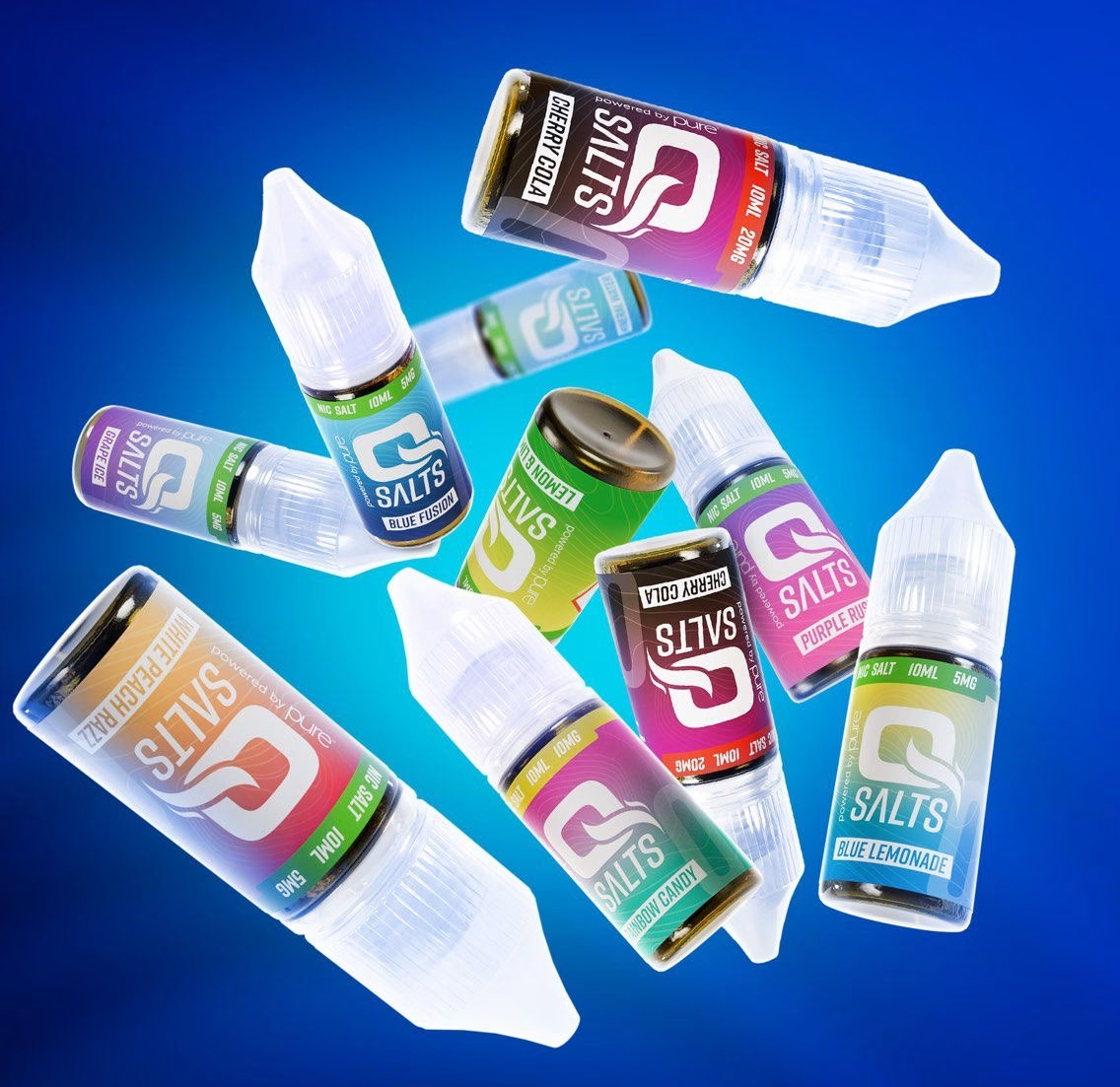
QLabs develops refillable vaping products and e-liquids for adult users, including the QSeries pod system, Q2 devices and QSalts nicotine salt e-liquids.
Our product range includes different nicotine strengths and refillable device options designed for adults who already vape or are considering switching away from cigarettes.
QLabs products are available through our official website, vapeqlabs.com, and at VapeHQ stores nationwide, giving customers access to in-store product guidance and support.
While vaping can be an alternative for adult smokers, it is not a medical treatment, and QLabs products are not licensed stop-smoking medicines.
For independent advice on quitting smoking, we recommend NHS Better Health and local Stop Smoking Services.
Stoptober takes place throughout October, with the main 28-day quit-smoking challenge beginning on 1 October. You can begin your own quit attempt at any time.
The NHS states that people who remain smoke-free for 28 days are five times more likely to quit permanently. The challenge provides a manageable initial milestone.
Different approaches work for different people. Stop-smoking medication, nicotine replacement therapy, nicotine vaping and behavioural support can all play a role. Combining effective treatments with professional support can improve the likelihood of success.
No. Vaping is less harmful than smoking, but it is not harmless. Nicotine is addictive, and vaping is not recommended for non-smokers or under-18s.
You can start whenever you’re ready. The health benefits of quitting smoking are not limited to October.
Some adults choose to reduce nicotine strength over time. However, avoiding a return to cigarette smoking should remain the priority. Seek professional advice if you’re finding nicotine reduction difficult.
With smoking rates continuing to fall across the UK, Stoptober 2026 is another opportunity to build on that progress.
The latest statistics show that millions of people have moved away from cigarettes, but millions more could still benefit from quitting.
Whether you’re preparing for your first quit attempt or trying again after a setback, remember that progress takes time.
You don’t have to change everything overnight. Start with one day, build towards 28 and keep moving towards a smoke-free future.
For free, independent quitting advice and resources, visit NHS Better Health.
QLabs vaping products are intended for adults aged 18 and over. Nicotine is addictive. Vaping is not risk-free and is not recommended for non-smokers.

Never run out of QSalts or QSeries Pods. Choose your delivery frequency and save 10% on every subscription order.
Never run out of QSalts or QSeries Pods. Choose your delivery frequency and save 10% on every subscription order.